
Property Development and Construction in Pakistan 2026: Costs, Approvals & Buyer Risks
A property project can look attractive on a brochure and still underperform because of an unapproved layout, incomplete utilities, rising construction costs, weak site supervision or a contract that leaves important work undefined. Whether a buyer is purchasing an under-construction apartment, investing in a new housing scheme, hiring a contractor or planning a house on an owned plot, the development process deserves the same scrutiny as the price and location.
This guide examines the practical steps behind property development and construction in Pakistan in 2026: how to read construction-cost estimates, distinguish layout approval from a development NOC, verify a developer, choose a contract model, check workmanship and protect payment milestones. It builds on our guides to property ownership and legal due diligence and property financing and affordability.
Research checked on 17 October 2026. Construction prices and regulatory requirements can change by city, authority, site conditions and project type. Obtain current written quotations and verify approvals directly with the relevant authority before committing money.
1. First, Separate the Roles: Developer, Builder and Contractor
These terms are often used interchangeably in property advertising, but they describe different responsibilities.
- Developer: typically assembles or controls land, secures planning and development approvals, funds or coordinates infrastructure, markets plots or units and manages delivery of the overall project.
- Builder or construction company: carries out building work under an agreed scope, drawings, specifications, budget and schedule.
- Architect and engineers: prepare and coordinate the design, structural calculations and technical plans, and may inspect the work against the approved documents.
- Project manager or quantity surveyor: helps control scope, costs, procurement, quantities, progress, variations and payment certification.
- Real estate agent: markets or facilitates a transaction but is not automatically responsible for approvals, construction quality or the developer’s delivery obligations.
A company being registered or having a polished sales office does not by itself establish that a particular housing scheme or building has all required approvals. Similarly, a contractor may be capable of executing a house but have no authority to approve the land or development. Check each role separately.
2. Construction Costs in Pakistan: What Does a Per-Square-Foot Rate Mean?
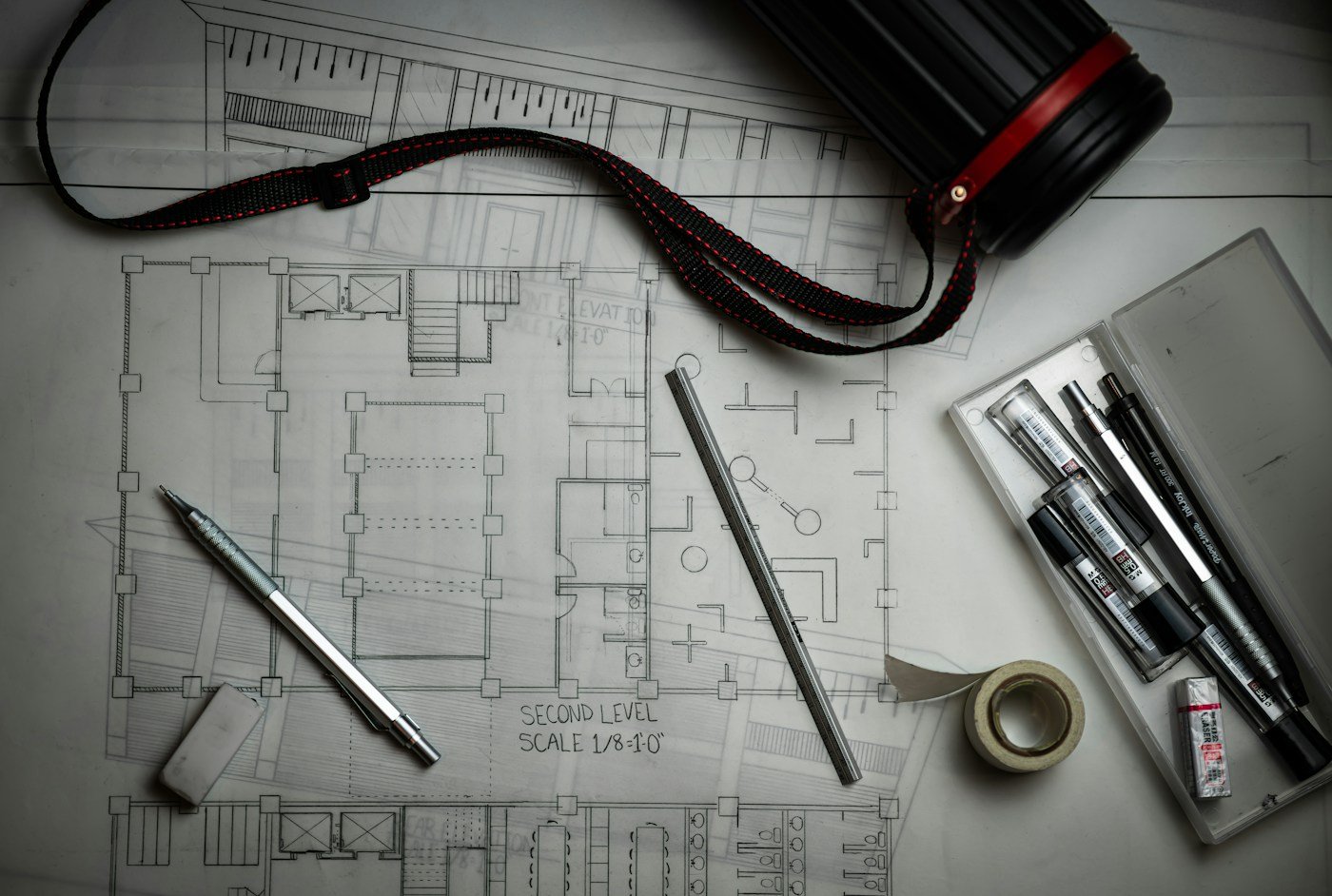
A square-foot rate is useful for an early budget, but it is not a complete quotation unless the covered area, material grades, finish schedule, structural design and inclusions are clearly defined. The same rate can describe materially different houses.
In October 2026, planning guides generally put grey-structure construction in a broad band of about PKR 3,000–3,800 per square foot, while standard finished or turnkey estimates often start around PKR 5,000 and can reach PKR 7,500 or more per square foot. Premium finishes, basements, difficult soil, retaining walls, complex architectural designs, lifts, extensive external works and imported fixtures can push totals higher. These are planning bands, not official rates or a fixed market tariff.
Indicative city comparison
| Location | Grey structure planning range | Standard finished/turnkey planning range |
|---|---|---|
| Lahore | About PKR 3,000–3,500/sq. ft. | About PKR 5,500–6,800/sq. ft. |
| Karachi | About PKR 3,000–3,600/sq. ft. | About PKR 5,500–7,000/sq. ft. |
| Islamabad and Rawalpindi | About PKR 3,200–3,800/sq. ft. | About PKR 5,800–7,500/sq. ft. |
The ranges above are broad planning estimates synthesized from current market guides, rather than a quote for a particular plot. Published construction indexes can show a lower “complete” cost because they use a defined model house and a different set of inclusions. Do not compare two rates until you have checked what each includes. A basement, boundary wall, water storage, solar system, external drainage, utility connections, approval fees, landscaping, kitchen appliances and loose furniture may be priced separately.
For illustration, a house with 2,500 square feet of covered area at a standard finished rate of PKR 5,500–7,000 per square foot implies a preliminary building budget of PKR 13.75–17.5 million before land, fees, taxes, finance charges and any items excluded by the contractor. This is a budget illustration only. The architect’s drawings and an itemised bill of quantities (BOQ) must determine the real estimate.
Always calculate using covered area, not just plot area. A 10-marla plot is not 10 marla of construction: the covered area depends on setbacks, permitted floor area, number of storeys, stairs, balconies, voids, basement design and the relevant building rules.
3. Materials Move the Budget — Verify Prices Before Ordering
Materials and labour rates move over time and differ by brand, grade, city, supplier, transport distance and order size. On 15 October 2026, one planning dataset used approximately PKR 1,500 for a 50-kg cement bag, PKR 275 per kilogram of Grade 60 steel and PKR 20,000 per 1,000 A-class bricks. Treat these as dated planning inputs, not guaranteed dealer prices. (ConstructionCostPK)
Before approving a BOQ, ask how the estimate accounts for cement brand and type, steel grade and mill certificates, brick quality, sand and crush gradation, concrete mix, waterproofing, plumbing fittings, electrical wiring and finishing products. Obtain quotations from local suppliers and clarify who pays if the agreed brand is unavailable or its rate changes.
Keep a contingency reserve. For a typical private house, setting aside around 10–15% of the estimated construction budget is a prudent planning measure where design changes, unforeseen ground conditions and price movement are not fully fixed by contract. The reserve is not a licence to spend without approvals; record every variation and its cost.
4. Grey Structure, Finishing and Turnkey: Compare Like With Like
Grey structure generally covers the main structural shell and core masonry work. The exact boundary varies by contractor, so confirm whether excavation, foundations, damp-proofing, roof insulation, parapets, plaster, underground tanks, septic arrangements and external works are included.
Finishing can cover floors, paint, doors, windows, ceilings, kitchen and bathroom fittings, electrical fixtures, cabinetry and other visible components. Finishing costs can vary enormously with specifications, which is why “A-grade finishing” is not a usable contract description without brands, product ranges, sizes and quantities.
Turnkey usually means one contractor delivers a substantially completed house under an agreed package. The contract must still state what “ready to move in” means. Utility meters, gas connections, appliances, boundary works, landscaping, external paving, approval and completion charges or changes requested after signing may be excluded.
Ask every bidder to price the same drawings and finish schedule. A lower rate is not necessarily better value if it excludes key work or assumes lower material quality. Request a line-by-line BOQ, a list of exclusions and a written process for variations.
5. Approvals and NOCs: The Difference Between a Scheme and a Building
In Pakistan, several approvals may apply to a single transaction. A developer may need approval for the housing scheme and its layout; a building owner may need a sanctioned building plan and later a completion certificate; an individual plot may have separate title, possession, transfer and dues records. One document does not automatically replace the others.
Islamabad: LOP, development NOC and completion
The Capital Development Authority’s published framework describes a two-step process for private housing schemes: the Layout Plan (LOP) is approved first, followed by the required development No Objection Certificate after subsequent formalities. A completion certificate is a further stage, issued after development is completed in accordance with the approved layout, service design and specifications. (CDA)
“Sponsors can start development work and sale of plots after obtaining NOC from CDA.”
— CDA guidance on private housing schemes in Islamabad.
An approved layout plan is therefore not the same as a valid development NOC, and neither should be treated as proof that every individual plot is clear. The authority’s housing-scheme records show that LOP and NOC statuses can differ, including schemes where a layout is listed as approved while an NOC has not been issued or has been cancelled. Verify the exact scheme, phase, block and approved area using current records; do not rely on the scheme’s name alone.
CDA also notes that allotment and transfer of plots in private schemes are handled by the respective sponsors. Buyers should separately check the seller’s title, transfer records, possession, liabilities and whether the specific plot lies inside the approved area. For building work, confirm the sanctioned plan, applicable regulations and completion requirements.
Rawalpindi and the RDA-controlled area
The Rawalpindi Development Authority publishes lists and notices relating to private housing schemes and unauthorised or illegal schemes. Its downloads section also lists amendments dated 8 July 2026 to the Punjab Development Authorities Private Housing Schemes Rules 2021 and a public notice issued in August 2026. Buyers should verify the scheme against the latest RDA records and confirm the authority’s exact territorial jurisdiction for the land. A marketing address that says “Islamabad” or “Rawalpindi” does not decide which authority controls the property.
Lahore
Lahore buyers should identify the relevant land-record and development authority, confirm the scheme and plot status, and obtain the required building-plan approvals before construction. The LDA and Punjab land-record authorities announced that a Property Certificate would be required for transactions in housing schemes from 1 July 2026. The buyer should check the latest applicable process rather than assume an old allotment letter or photocopy is sufficient.
Building-plan approval and completion certification are also separate steps. Construction should follow sanctioned drawings; unauthorised additions or changes may create difficulty when applying for the completion certificate or transferring the property.
Karachi
Karachi property can involve different land-owning agencies, lease systems and development or building-control requirements. Identify the authority responsible for the exact parcel or building, then verify title and transferability as well as the applicable building plan, land use, approved floors, completion status and unit-level records. For apartments and commercial buildings, do not inspect only the land paper: the building and individual unit may have separate approval and transfer questions.
6. Due Diligence on a Developer or Housing Scheme
Developer research should go beyond brand familiarity, billboards and social-media claims. A well-known company name does not confirm that the advertised phase has land ownership, complete approvals, timely utilities or funding sufficient to finish infrastructure.
- Legal identity: verify the actual company or society, its registration and the authority of the person signing for it.
- Land rights: establish ownership or lawful control of the land and check for mortgages, charges, acquisition disputes, litigation and conflicting claims.
- Planning status: verify the approved layout, NOC, permitted land use and boundaries. Check whether the advertised block and phase are included.
- Development commitments: review road widths, sewerage, drainage, electricity, water, gas where available, public spaces and the stated delivery sequence.
- Project delivery: compare the promised development timeline with on-ground progress, previous phases and documented completion records.
- Financial exposure: review the payment schedule, escalation terms, late-payment consequences, cancellation and refund rules, transfer charges and any outstanding development dues.
- Independent confirmation: get a property lawyer and relevant technical professional to review the documents instead of relying only on the dealer or developer’s representative.
When a sales representative uses phrases such as “approved,” “NOC coming soon,” “possession in a few months” or “all utilities ready,” ask for the specific document, approval reference, dated timeline or evidence behind the claim. Verbal assurances are not substitutes for enforceable written terms.
7. Under-Construction Apartments and Off-Plan Purchases
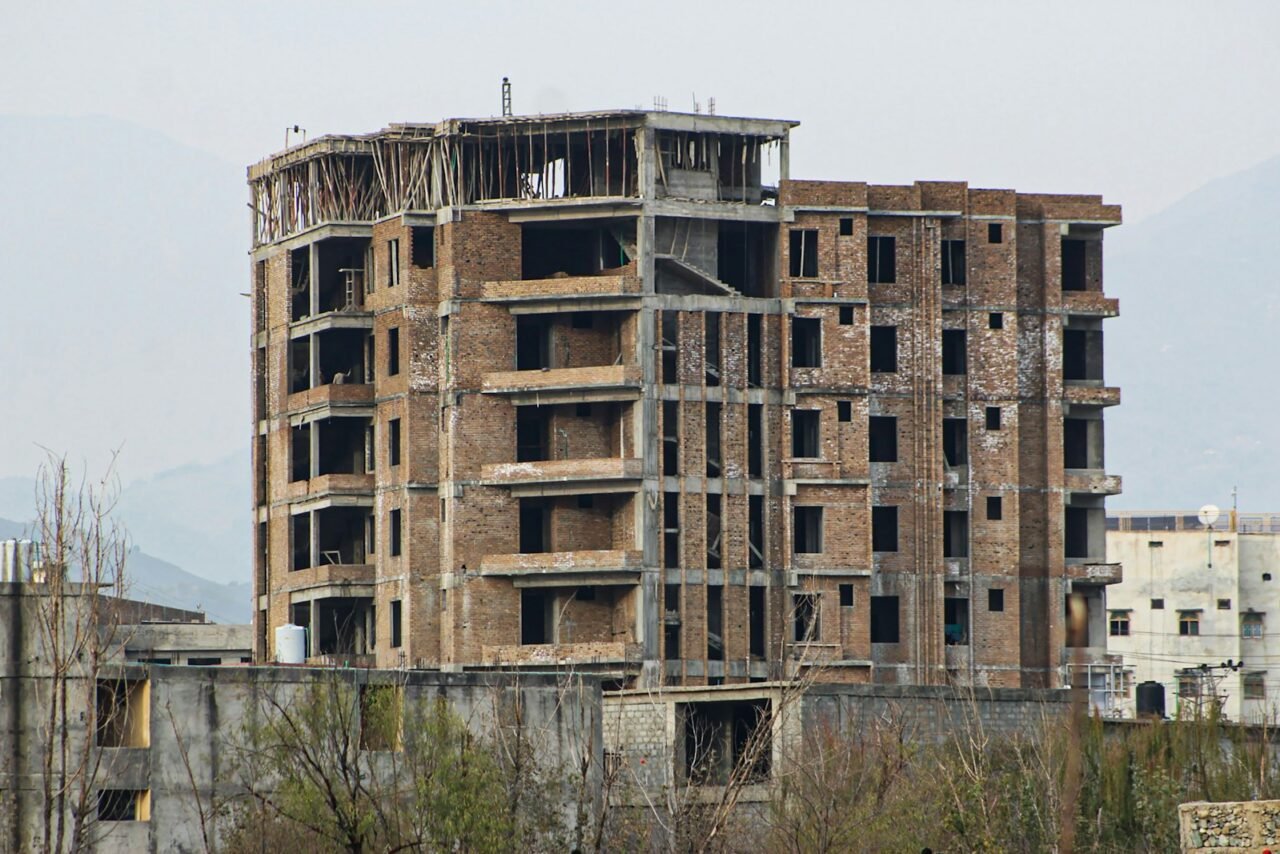
Buying before completion can give the buyer a staged payment schedule or access to a new unit, but it also transfers some construction and delivery risk to the buyer. Advertised possession dates can be affected by approvals, contractor performance, financing, material supply, utility connections and sales progress.
Before reserving a unit, establish the legal status of the land and project, the approved number of floors and units, the exact unit number and area, the definition of covered area, parking entitlement, shared amenities, payment milestones, late-delivery remedies, refund provisions and conditions for final transfer. Confirm how the area and specification will be measured and what happens if the final delivered unit differs from the marketing plan.
Where possible, stage payments against independently verified construction milestones rather than paying substantially ahead of progress. Read the agreement’s termination, default, resale, transfer and maintenance provisions. Ask who will manage common areas, collect service charges and fund major repairs after handover.
If comparing a developer’s installment offer with an already completed asset, include construction and delivery risk in the comparison. A listing such as an apartment offered on installments should be evaluated on its own project approvals, agreement, payment schedule and current construction status—not simply the monthly amount shown in an advertisement.
8. Construction Quality: What Should Be Inspected?
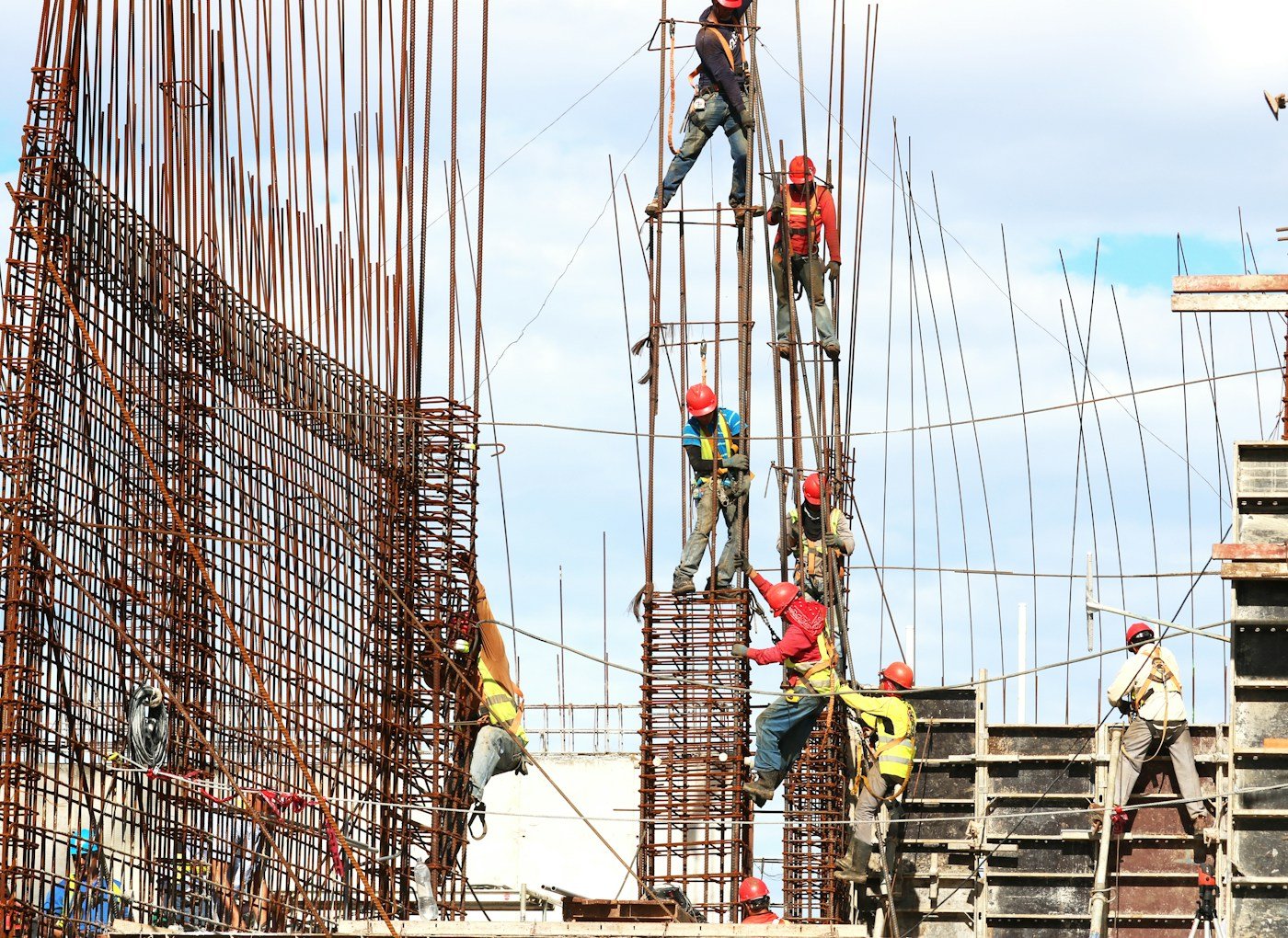
Visible finishing is only one part of building quality. Many expensive defects start in concealed work such as foundations, reinforcement, concrete, waterproofing, drainage, electrical conduits and plumbing. Arrange for a qualified independent architect or engineer to inspect critical stages, especially if the owner cannot monitor the site daily.
Before excavation and foundations
Confirm the soil assessment where required, foundation design, levels, site drainage, boundary setting-out and approved architectural and structural drawings. Foundation depth and reinforcement should not be changed informally on site.
Steel, formwork and concrete
Check steel grade and diameter against the structural design, bar spacing, laps, cover and placement before concrete is poured. Record concrete mix specifications and arrange suitable testing where specified by the engineer. Do not accept a claim that the building is “strong” merely because it uses a large quantity of steel; correct design, material quality, workmanship and site control all matter.
Waterproofing, plumbing and electrical work
Inspect roof and bathroom waterproofing before tiles conceal the membrane, and test the work where appropriate. Check pipe routes, drainage slopes, pressure testing, electrical wiring sizes, earthing, circuit protection, load planning and access to shut-off points. Repairing concealed services after handover is often more expensive and disruptive than checking them during construction.
Finishes and handover
Compare tile, paint, door, window, sanitaryware, kitchen and electrical specifications against the signed schedule. Test doors and windows, water pressure, drainage, lights, sockets and safety devices. Prepare a written snag list and keep a record of outstanding items, warranty papers, equipment manuals, keys, meter details, approved drawings and completion documents.
9. Construction Contracts: Put the Scope, Price and Risk in Writing
Choose the contract type based on how much purchasing, site supervision and price risk the owner can realistically manage.
| Contract arrangement | How it works | Main risk to clarify |
|---|---|---|
| Labour-only | The owner buys materials while the contractor supplies labour for an agreed rate or measured work. | The owner carries procurement, wastage and material-price risk and needs close site supervision. |
| Grey structure with materials | The contractor supplies materials and labour for the agreed structural stage and scope. | Define brands, grades, quantities, exclusions, testing and any price-escalation clause. |
| Fixed-price or turnkey | The contractor agrees to a defined deliverable for an agreed total price. | Fixed price only controls what the contract actually includes. Unclear finishes, exclusions and variations can still increase the final bill. |
| Cost-plus | The owner pays actual eligible costs plus an agreed fee or margin. | Require invoices, quantity records, approval limits and transparent audit rights; cap or clearly define the fee. |
Regardless of the model, the agreement should attach the current architectural and structural drawings, specifications, BOQ, project schedule, payment milestones and a process for approving variations. It should identify who is responsible for approvals, procurement, site security, waste removal, taxes, labour safety, utilities, damage to neighbouring properties and completion documents.
Payments should follow verified work rather than arbitrary dates. Agree what evidence is needed to certify each milestone and retain enough leverage to resolve defects and incomplete work. Set out a completion date, how delays are handled, a defects-liability or rectification period, the process for practical completion and a dispute-resolution route. Get professional legal advice on the contract before signing.
10. Developer Economics: Why Projects Get Delayed
A developer’s delivery depends on more than selling plots or units. Land acquisition, approvals, infrastructure, contractor capacity, financing cost, taxes, utility connections and the timing of customer receipts all affect cash flow. If receipts arrive later than expected while infrastructure costs must be paid immediately, development can slow even where the marketing campaign remains active.
Buyers and investors should monitor physical progress against the published schedule: roads, drainage, electricity infrastructure, water supply, building structure, lifts, fire-safety systems and completion documents are not interchangeable with a sales-office milestone. Ask for a phased completion plan and check what must be finished before possession or lawful occupation.
For a developer or investor comparing a commercial asset, construction risk must be assessed alongside the underlying location and income case. For example, a commercial plaza in F-10 Markaz and a bare commercial plot in Blue Area represent very different capital needs, approval work, construction exposure, operating timelines and exit risks. A land price alone cannot tell you which project will perform better.
For the wider market context, see our analysis of Pakistan’s real estate market and investment strategy and property risks and opportunities across Islamabad, Karachi and Lahore.
11. Cost Overruns: Common Causes and How to Limit Them
Construction budgets often rise for predictable reasons: incomplete drawings, a low initial quote that excludes work, changing finish choices, higher material prices, unforeseen ground conditions, extra storeys or covered area, delayed decisions, idle labour, repeated rework and late utility or approval requirements.
To reduce exposure, freeze the design before tendering; define covered area precisely; compare bids against one BOQ; order long-lead items in time; record site instructions; price changes before carrying them out; and reconcile material deliveries with consumption. Request regular progress reports showing work completed, costs incurred, committed purchases, variations and the remaining forecast cost to finish.
Do not use contingency to hide weak record-keeping. Keep the original contract sum, approved variations and current forecast as separate figures. If the project is already over budget, get an updated cost-to-complete estimate before deciding whether to upgrade, pause or change the scope.
12. Tax, Fees and Completion Costs
Construction and development budgets should allow for more than materials and labour. Depending on the project, costs may include design and engineering fees, authority scrutiny charges, map approval, inspection and completion charges, utility connections, water and sewerage arrangements, insurance, legal work, financing, stamp-related expenses and applicable taxes. The exact requirements depend on the location, property and ownership structure.
Builders and developers also need to check the tax rules that apply to their business and transaction. Pakistan’s tax framework includes provisions dealing with profits from construction and sale of buildings and development and sale of plots, alongside other federal and provincial obligations. Tax treatment can depend on the activity and taxpayer; get a current professional calculation rather than assuming a general percentage applies to every project.
Before taking possession or listing a new building for resale or rent, verify completion documents, outstanding authority and society dues, approved use and any transfer or utility conditions. Our property legal guide explains why title, approvals, taxes and transfer requirements should be checked as connected but separate issues.
13. Practical Checklists
Before purchasing an under-construction property
- Verify land title, developer identity, scheme NOC and the exact approved phase or block.
- Obtain the sanctioned plan, unit layout, specification sheet, promised delivery date and written payment schedule.
- Read default, refund, late delivery, cancellation, transfer and maintenance clauses.
- Inspect the site or obtain an independent technical progress report.
- Confirm outstanding fees, utilities, building approvals, completion requirements and the route to transfer.
Before hiring a house contractor
- Hire qualified designers and obtain approved drawings before fixing the price.
- Get at least three comparable written quotations based on one scope and BOQ.
- Define the materials, brands, grades, workmanship, exclusions and escalation mechanism.
- Use stage payments backed by inspection and written certification.
- Appoint an independent professional for critical inspections and final handover.
Before investing in a new development
- Check legal and planning approvals from the responsible authority directly.
- Verify that the marketed land and phase match the approved plan and NOC.
- Compare current ground progress against the developer’s dated schedule.
- Stress-test returns for delay, higher costs, lower rents, weaker resale demand and extra financing expense.
- Keep records of every advertisement, agreement, receipt, approval and formal communication.
14. Frequently Asked Questions
Does an approved layout plan mean a housing scheme has its NOC?
No. In the CDA’s Islamabad process, layout-plan approval and the development NOC are separate steps. Check the current status of the exact scheme and the relevant phase or block.
What is the current construction rate per square foot in Pakistan?
There is no single nationwide rate. As a broad October 2026 planning range, grey structure may be around PKR 3,000–3,800 per square foot and standard finished work around PKR 5,000–7,500 or more. Site conditions, covered area, specifications and exclusions make a written BOQ essential.
Is a turnkey contract always safer?
It can reduce the owner’s day-to-day procurement burden, but only when the scope, specifications, exclusions, milestones and variation rules are clear. A vague turnkey contract can still lead to disputes and unexpected costs.
Should I pay the developer before construction reaches each milestone?
Do not rely on a payment schedule alone. Understand what each payment covers and consider independent verification of progress. Large advance payments expose the buyer to delivery and cash-flow risk if project work slows.
Can a completed building still have legal issues?
Yes. Physical completion does not automatically establish clear title, approved construction, lawful use, a completion certificate or a transferable individual unit. Review those records separately.
Conclusion
Property development and construction decisions should be assessed through three connected tests: legal approval, technical delivery and financial control. The right plot or project needs more than a promising location. Its title and approvals must be verified, construction estimates must define the actual scope, workmanship should be independently checked and payments must be tied to written obligations.
For buyers comparing a completed home, an installment apartment, a construction project or commercial land, start with the relevant documents and a realistic cost-to-complete calculation. Explore the current property listings, review our property-selection guide, or see the available property services before making a binding commitment.